Solaris (1972)
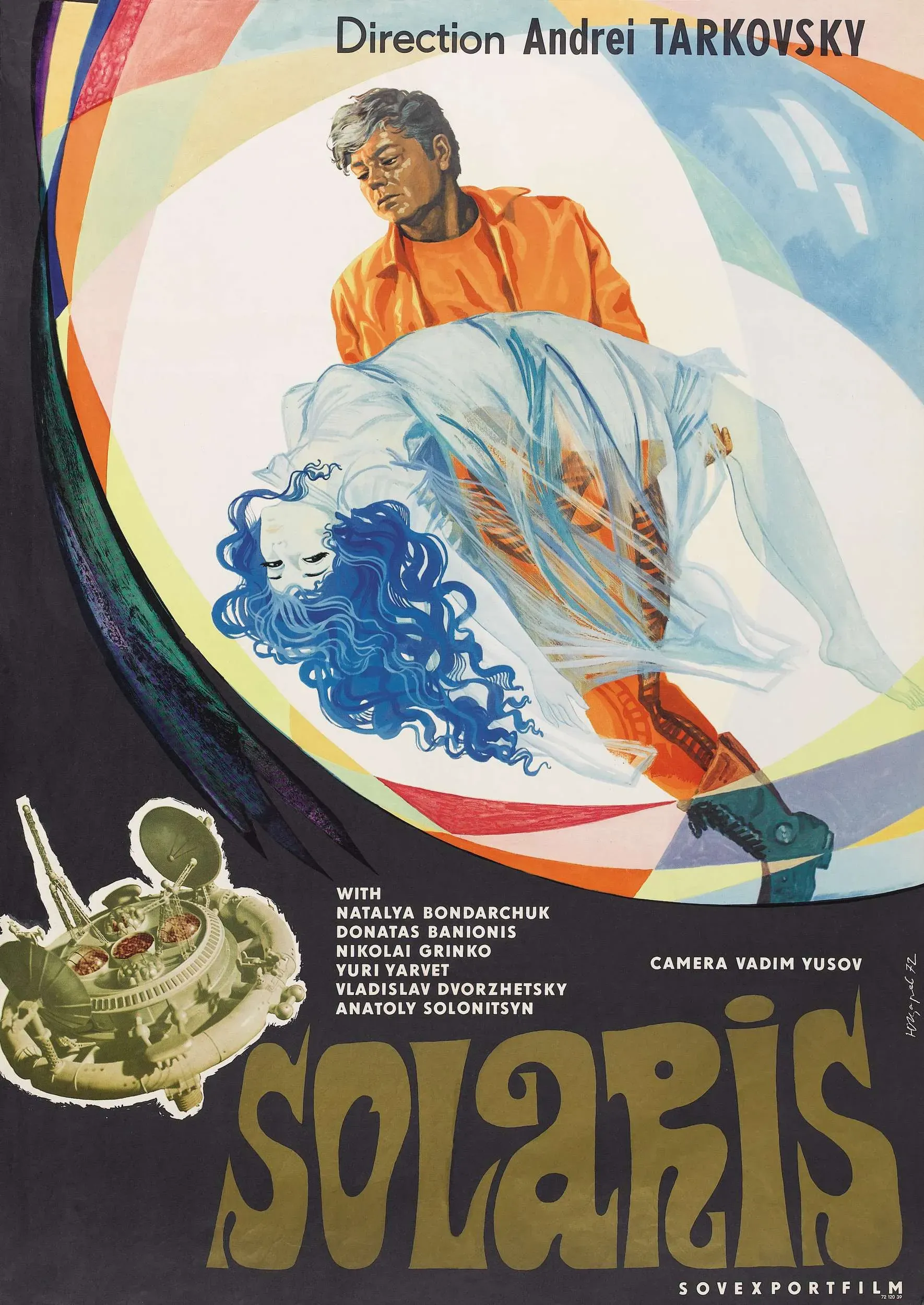
Solaris (1972) — directed by Andrei Tarkovsky — is a slow-burning, philosophical science‑fiction drama about memory, grief and the limits of human understanding. Psychologist Kris Kelvin is sent to a decaying space station orbiting the oceanic planet Solaris to investigate the unexplained suicide of one scientist and the mental breakdown of the remaining crew. Instead of answers, Kelvin finds the station haunted by apparitions: the planet’s strange intelligence appears to materialize the visitors’ deepest repressed memories, and Kelvin is confronted by a living manifestation of his long‑dead wife. Watching Solaris is less a ride of futuristic spectacle than a meditative, unsettling experience. The film trades action for long takes, quiet domestic scenes, and lingering images — rain, bare interiors and slow camera movements — that make the alien phenomenon feel intimate and uncanny. The narrative raises questions about guilt, love, the ethics of scientific curiosity, and whether human minds can ever truly know an “other.” The performances (notably Donatas Banionis and Natalya Bondarchuk), the austere cinematography and Tarkovsky’s patient pacing create a hypnotic, melancholic atmosphere that rewards reflection. Expect ambiguity rather than tidy explanations. Viewers will experience emotional intensity and philosophical provocation: moments of eerie beauty and moral discomfort, paced deliberately so the film can explore inner lives as fully as outer mystery. Solaris is best for viewers who appreciate contemplative cinema, psychological depth and science fiction that uses the fantastic to probe human conscience.
Actors: Natalya Bondarchuk, Donatas Banionis, Jüri Järvet
Director: Andrei Tarkovsky
Runtime: 167 min
Genres: Drama, Mystery, Sci-Fi
 7.5
/10
7.5
/10
 93
/100
93
/100
 7.9
/10
7.9
/10
 8.2
/10
8.2
/10